Best Gas Masks & CBRN Respirators for Preppers
This article contains affiliate links: if you buy through them, we earn a small commission at no extra cost to you. It never changes our verdict — our research method is public. See how we research
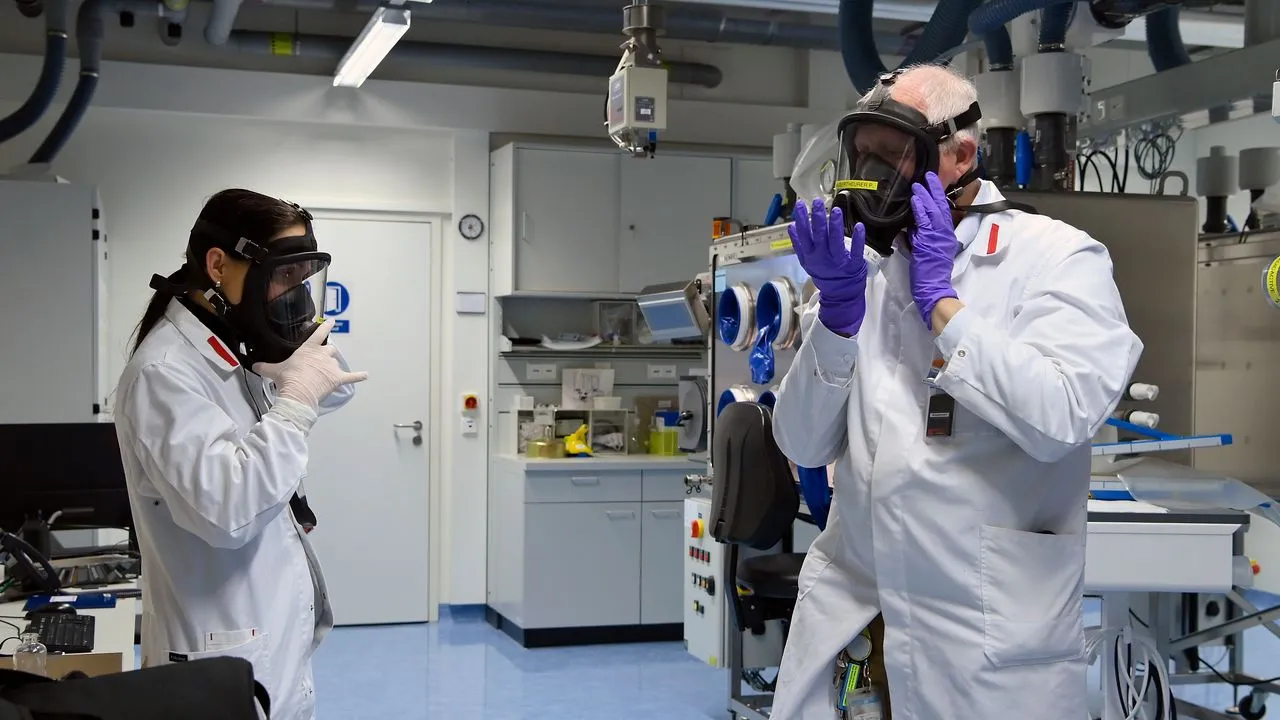
Most “best gas mask” lists rank by how tactical the mask looks in the photo. Mine doesn’t. A gas mask belongs in the same mental drawer as a fire extinguisher or a term life policy: you buy it methodically, you store it correctly, and you genuinely hope it stays a line item on a spreadsheet forever. So I ranked these four the boring way — by what you can verify on paper: the certification, the filter standard, the shelf life, and whether the thing will actually seal on your face.
That last part matters more than any spec, because a respirator that doesn’t seal is an expensive piece of shelf decor. Three of the four masks below come in multiple sizes for exactly that reason. None of this is field-tested by me — nobody sane stages a chemical exposure for a camera — which is why the paper trail is the useful part anyway.
Research-driven, not staged — specs verified, certifications checked, recalls tracked, thousands of real owner reviews cross-referenced.
One framing note before the ranking, and I’ll borrow it word for word from my full MIRA CM-6M review: what any mask can or can’t do for you in a specific emergency is a question for your local emergency management office — not for a review site, mine included. I can tell you which mask carries which certification and which filter fits it. The decision about actual protection in a real event belongs to the people trained to make it. Preparedness is insurance, not fear.
How I ranked the best gas masks for preppers
Every mask here got measured against the same yardstick, and criterion number one is the one that runs through everything I cover: third-party certification versus marketing claim. A spec sheet is a promise. A certification is the receipt. Any company can print “CBRN protection” on a box; a real certificate — an EN 136 Class 3 mark from a European notified body, or a NIOSH CBRN approval — means an accredited lab tested the mask against a defined standard and published a listing you can trace.
After certification I weighed fit and sizing (one size or three?), the filter standard and its shelf life (standard 40mm NATO threads and a 20-year sealed filter beat a proprietary cartridge you replace every few years), field of view, and honest price — always a range, because prices move and the date at the bottom of this page tells you when I last checked. Filters are sold separately on every mask here, so I’ve flagged the real per-adult cost in each section.
| Product | Score | Highlight | Price range | Buy |
|---|---|---|---|---|
| Top pick MIRA Safety CM-6M CBRN Gas Mask | 8.7 | EN 136 Class 3 certified, 20-year shelf life | around $250 to $300 | MIRA Safety |
| MSA Millennium CBRN Gas Mask | 8.5 | The NIOSH CBRN-approved pick, in three sizes | around $550 to $620 | MSA Safety |
| MIRA Safety CM-7M Military Gas Mask | 8.4 | Same certified Czech platform as the CM-6M, but in three sizes | around $280 to $350 | MIRA Safety |
| 3M Ultimate FX Full Facepiece Respirator (FF-400 Series) | 7.5 | NIOSH-approved industrial full-face — the budget, dual-use entry point | around $210 to $290 (facepiece; cartridges extra) | 3M |
Best overall for most preppers: MIRA Safety CM-6M
Who it’s for: the household that wants one methodical, buy-once, full-face mask per adult and a certification it can actually verify.
The CM-6M is my top pick because its paperwork is the cleanest in the category. It’s certified to EN 136:1998, Class 3 — the most demanding tier of the European full-face standard — with the certificate issued by notified body 1024 in Prague, not drawn by a marketing team. It’s built by Gumárny Zubří, a Czech factory that has made protective masks for decades and supplies government procurement offices; MIRA Safety is the US-facing brand. Its two ports take any 40mm NATO (EN 148-1) filter, and the paired NBC-77 SOF filter is rated for 20 years sealed — the spec that turns this from a subscription into a buy-once line item.
The single catch is fit: the CM-6M comes in one universal size that the manufacturer says fits all adult faces except the extremely small ones. For average and larger faces that’s a non-issue; for small faces it’s the whole ballgame, and the fix is the CM-7M below. Budget honestly — one mask plus one sealed filter per adult lands around $330 to $380 a head. I break the whole thing down, certificate numbers and all, in my full CM-6M specs review.
Pros
- EN 136 Class 3 certificate issued by notified body 1024 in Prague — a public, verifiable receipt, not a marketing claim
- Two Rd 40x1/7" ports accept any EN 148-1 (40mm NATO) filter, mounted left, right, or both sides
- 20-year storage life, integrated drinking system, and a wider certified field of view than the standard requires
Cons
- One size only — adults with small faces may not get a reliable seal, and there is no smaller option
- No NIOSH approval; the certification is European (CE), and the US-assembled version carries no certification at all yet
- Filters are sold separately, so the real per-adult cost is the mask plus about $80 per sealed NBC-77 SOF
Best NIOSH-approved gas mask: MSA Millennium
Who it’s for: anyone who needs an approval the US system formally recognizes — a duty requirement, a workplace program, or simply the strictest domestic standard on the shelf.
Here’s the distinction that decides this slot. The MIRA masks carry European certification; the MSA Millennium carries a NIOSH CBRN CAP 1 approval — the US benchmark, granted when the mask is run with an MSA CBRN canister and butyl hood. If your reason for buying is job-related, that difference isn’t academic: US workplace respiratory rules legally require NIOSH-approved equipment, and this is the only mask here that clears that bar. It’s a Hycar rubber facepiece with a one-piece polyurethane lens, a 40mm NATO thread, a six-point harness, and it comes in three sizes. MSA has been supplying US law enforcement and the military for a very long time, and the owner track record reflects it.
The cost of admission is real, though: around $595 for the mask, the most expensive here, with CBRN canisters sold separately — and those canisters carry a shorter, defined service life than a 20-year sealed 40mm filter, so the long-run cost runs higher than the MIRA route. For a household whose scenario is “shelter in place near an industrial corridor,” it can be more mask, and more money, than the job needs. For anyone who needs the NIOSH stamp, it’s the answer.
Pros
- Genuine NIOSH CBRN CAP 1 approval — the US standard that workplace and duty programs actually recognize, which the European-certified masks don't carry
- Three sizes (S/M/L) plus a 40mm NATO thread that accepts standard filters and CBRN canisters
- Long duty-use track record with US law enforcement, military, and first responders
Cons
- Around $595 — the most expensive mask here, and CBRN canisters are sold separately
- CBRN canisters carry a shorter, defined service life than the 20-year sealed 40mm filters, so the ownership cost is higher over time
- Riot-control lineage means it's more mask than most households whose scenario is an industrial "shelter in place" actually need
Best for hard-to-fit faces: MIRA Safety CM-7M
Who it’s for: the adult the CM-6M’s one-size shell won’t seal on — small faces especially, but also very large ones.
The CM-7M is the same certified Czech platform as the CM-6M — EN 136 Class 3, EN 148-1, 40mm NATO threads, 20-year mask life — with one civilian-relevant difference: it comes in three sizes (Small, Medium, Large). If you pressure-test the CM-6M and it leaks, this is the mask that can actually seal on you, no compromise on the certification. That’s the entire reason it’s here.
The trade-off is visibility. The CM-7M uses a recessed twin-lens layout designed around optics and weapon sighting — a requirement I hope none of my readers have — and its effective field of view runs about 71.5% against the CM-6M’s roomier 77% panoramic visor. It also costs a bit more, roughly $280 to $350, for capabilities most households will never touch. Buy it for the fit, not the features. If the CM-6M seals on your face, save the money and get that one instead — the same reasoning I lay out in the CM-6M review.
Pros
- Comes in three sizes (S/M/L), so small or very large faces that the one-size CM-6M can't seal get a proper fit
- Same certified platform as the CM-6M — EN 136 Class 3, EN 148-1, and standard 40mm NATO filter threads
- Twin recessed lenses give strong depth perception and take a prescription insert for glasses wearers
Cons
- The twin-lens design trades away the CM-6M's panoramic view — about 71.5% effective field of view against the CM-6M's 77%
- Costs more than the CM-6M for weapon-sighting capabilities most households will never use
- Filters are sold separately, so budget the mask plus about $80 per sealed NBC-77 SOF per adult
Best budget dual-use respirator: 3M Ultimate FX
Who it’s for: the household that wants a certified full-face respirator on a real budget — and one it’ll actually use between emergencies.
I’ll be blunt about what this is and isn’t, because the honesty is the whole point: the 3M Ultimate FX is NIOSH-approved for industrial hazards, and it is not CBRN-rated. It protects against the paints, solvents, mold, and dust its cartridges are certified for — full stop. It does not carry the CBRN approvals the other three masks do, and no amount of wishful thinking changes that. If you understand and accept that ceiling, it’s a genuinely useful buy: it’s the cheapest way into a full-face respirator, it comes in three sizes, and — unlike a mask that sits in a box for twenty years — you’ll get real use out of it every time you paint a room or clear a moldy basement. That dual-use case is the honest argument for it.
Two caveats to price in. It uses a proprietary 3M bayonet mount, not 40mm NATO, so it’s locked to 3M’s own cartridges. And those cartridges have a short service life — a few years at best, and none once opened — so it’s a recurring cost, not a buy-once item. Think of it as the entry point and the workshop mask, not the certified insurance policy the CBRN masks above are meant to be.
Pros
- NIOSH-approved and the cheapest way into a full-face respirator, with cartridges stocked at ordinary hardware stores
- Genuinely dual-use — the same mask handles painting, mold, sanding, and renovation chemicals year-round
- Comfortable silicone seal, a large single lens, and three sizes for an easy fit
Cons
- NOT CBRN-rated — this is an industrial respirator, not a CBRN mask, and doesn't carry the CBRN approvals the other three do
- Proprietary 3M bayonet mount, so it can't use standard 40mm NATO filters
- Bayonet cartridges have a short service life and none once opened, making it a recurring cost rather than a buy-once item
Filters, shelf life, and the part most people skip
A mask is only half the purchase. Every mask on this page ships without filters, and the filter is where the real planning lives.
The reason I keep steering readers toward the 40mm NATO (EN 148-1) standard is leverage: any compliant 40mm filter from any brand fits any 40mm mask, so you’re never hostage to one company’s stock or pricing. The MIRA and MSA masks share that thread; the 3M does not. And the number that separates a smart buy from a running subscription is sealed shelf life — MIRA’s NBC-77 SOF is rated for 20 years factory-sealed, while NIOSH CBRN canisters and 3M bayonet cartridges expire far sooner. I unpack the date codes, the storage rules, and the surplus-filter trap in do gas mask filters expire. And if what’s driving your search this season is smoke rather than CBRN, I ranked these same platforms against that specific hazard — including the one 40mm filter rated for carbon monoxide — in the best gas mask for wildfire smoke. The catch on all of them: the moment you break the seal, the shelf-life clock resets to the short in-use window. So the rule is simple — buy your filters sealed, ahead of time, and log the dates. 40mm filters have a well-documented habit of selling out during news-driven demand spikes, which is exactly when you don’t want to be shopping.
That “buy ahead, store it, log it” logic is the same one I apply to every category on this site. A respirator is a deep line on the preparedness spreadsheet, not the first one — it sits below water, food, and a plan for the ordinary grid-down week. If you’re building from the ground up, start with the emergency preparedness checklist for apartments, and if a grid-down or EMP scenario is what’s driving the interest, read whether Faraday bags actually protect against EMP before a gas mask earns a dollar of your budget.
Which gas mask should you buy?
Buy the MIRA Safety CM-6M if you want one certified, verifiable full-face mask per adult, done for twenty years, and your face isn’t on the small end. It’s the methodical default — European Class 3 certification you can trace, standard filters, a two-decade shelf life. Skip it if your face runs small or you need a NIOSH stamp.
Buy the MSA Millennium if you need a NIOSH CBRN-approved mask for a job, a duty program, or simply because the domestic approval is your line in the sand — and the $595-plus budget works. Skip it if a verifiable European certificate satisfies you; you’ll spend less on the MIRA route for a household purpose.
Buy the CM-7M if the CM-6M won’t seal on your face. Same certification, three sizes. Skip it — and save the money — if the one-size CM-6M seals fine.
Buy the 3M Ultimate FX if budget is the deciding factor and you want a mask you’ll also use for renovation work, with clear eyes about the fact that it is not CBRN-rated. Skip it if CBRN certification is the reason you’re shopping at all.
The pattern you’ve probably noticed: these aren’t four competitors for one job. They’re four answers to four different questions — verifiable certification, NIOSH approval, hard-to-fit faces, and budget. Figure out which question is actually yours, match the certification to it, log the purchase date, and store the filters sealed. Plan for the Tuesday, not the apocalypse — and let the boring paperwork do the reassuring.
Prices checked on 7/3/2026 and subject to change. Confirm the current price at the store.
Frequently asked questions
What is the best gas mask for preppers?
For most households, the MIRA Safety CM-6M: it carries a verifiable EN 136 Class 3 certificate, uses standard 40mm NATO filters, and its NBC-77 SOF filter is rated for 20 years sealed. If you need a NIOSH-approved mask, look at the MSA Millennium; on a budget, the 3M Ultimate FX.
Do I need a NIOSH-approved gas mask?
For any job-related respiratory program, yes — US workplace rules legally require NIOSH-approved equipment, and only the MSA Millennium here meets NIOSH CBRN CAP 1. For a household insurance purchase, a verifiable European EN 136 certificate like the CM-6M's is a reasonable standard, but that call is yours to make.
What is a 40mm NATO filter, and why does it matter?
It's the Rd 40 x 1/7-inch thread defined by EN 148-1, the connection most military-pattern masks share. Because it's a standard, any compliant 40mm filter from any brand screws in — no proprietary lock-in. The MIRA and MSA masks use it; the 3M respirator uses a proprietary bayonet mount instead.
How long do gas mask filters last in storage?
It depends on the filter. MIRA's NBC-77 SOF is rated for 20 years factory-sealed, stored cool and dry — a genuine buy-once item. NIOSH CBRN canisters and 3M bayonet cartridges have shorter, defined service lives. Once any filter's seal is broken, its shelf life no longer applies and the in-use clock starts.
Are hardware-store respirators the same as CBRN gas masks?
No. A NIOSH-approved industrial respirator like the 3M Ultimate FX protects against the paint, mold, and dust hazards it's certified for — it is not CBRN-rated. CBRN masks such as the CM-6M or MSA Millennium carry separate CBRN approvals. Match the certification to the hazard you're planning around.
What size gas mask do I need?
The CM-6M ships in one universal size that fits most adults except very small faces. If yours runs small or large, the CM-7M, MSA Millennium, and 3M Ultimate FX each come in three sizes. A mask that doesn't seal offers no protection, so verify the fit the day it arrives, not the day you need it.