Emergency Preparedness Checklist for Apartments
This article contains affiliate links: if you buy through them, we earn a small commission at no extra cost to you. It never changes our verdict — our research method is public. See how we research
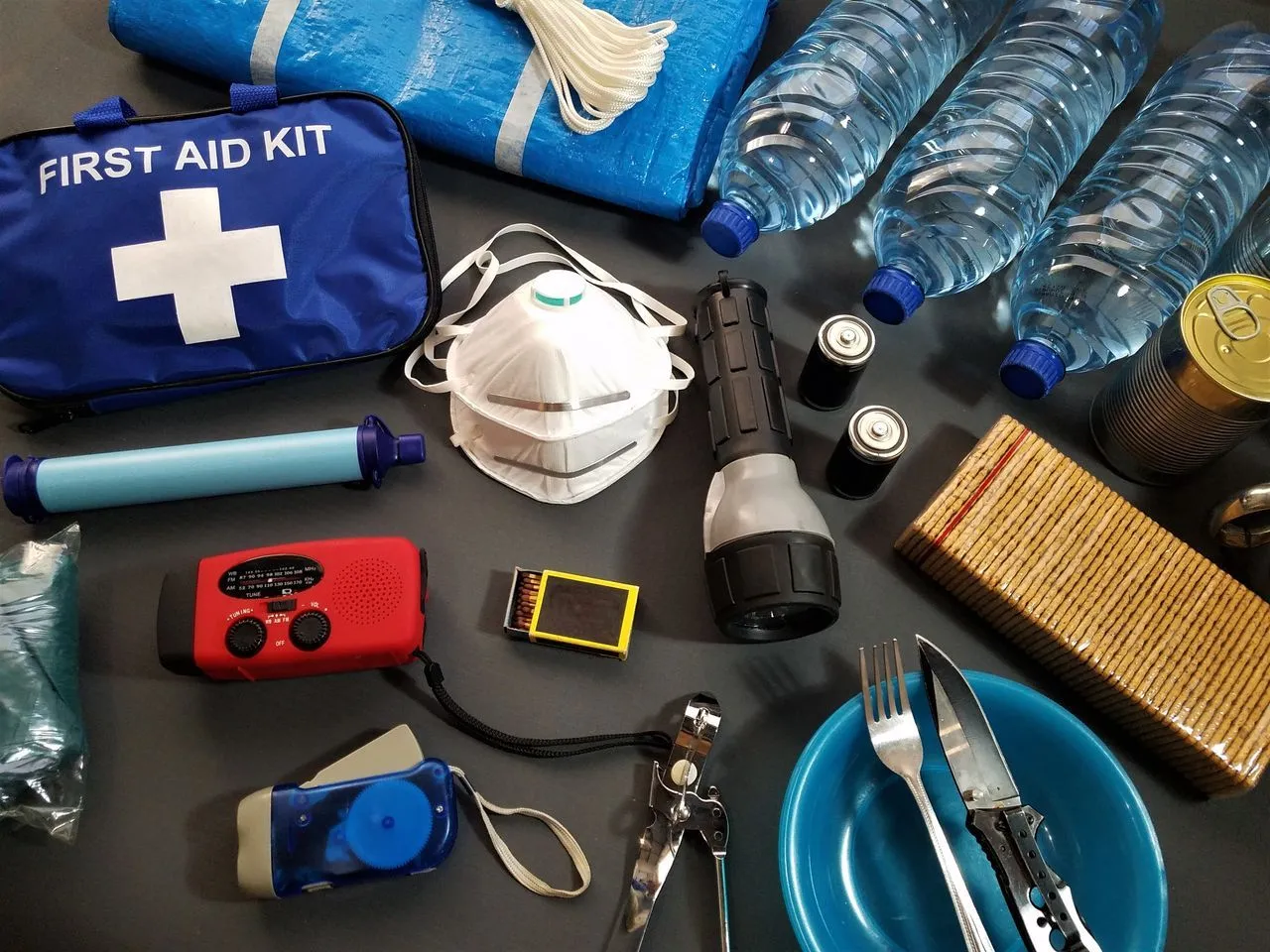
Almost every emergency checklist on the internet quietly assumes you own a house. A garage for the shelving, a yard for the generator, a basement for the water barrels. Meanwhile, more than a third of American households rent — many of them in apartments where the entire storage budget is one closet and the space under a bed. This checklist is for them. It’s also, frankly, the plan I’m writing down for the day my daughter signs her first lease: everything a small-space household needs, nothing it can’t fit, and one rule that will keep you alive that the house-people never have to think about.
Research-driven, not staged — specs verified, certifications checked, recalls tracked, thousands of real owner reviews cross-referenced.
Why Emergency Preparedness for Apartment Dwellers Is Different
The goal doesn’t change: cover your household’s water, food, light, information, and documents until services come back. Four constraints do change, and they reshape every line of the checklist.
- Space. No basement, no garage. Everything must fit in dead space you already have — under-bed, top shelf, behind a door.
- No combustion, anywhere. Gasoline generators, charcoal grills, and camp stoves are house-with-a-yard tools. Indoors — and a balcony counts as indoors for this purpose — they produce carbon monoxide that kills. More on this below, because it’s the one section I’d make everyone read.
- Vertical logistics. When the power fails, the elevator fails. Your plan has to work on stairs, in the dark, possibly carrying a bag and a pet.
- Density is an asset. You have more neighbors within 100 feet than most homeowners have on their street. A building where three neighbors know each other is better protected than any gear closet.
Plan for the Tuesday, not the apocalypse. The realistic apartment scenarios are a multi-day power outage, a boil-water advisory, a building fire alarm at 2 a.m., and a storm that closes roads for a week. Everything below maps to those.
Water Storage for Small Spaces
Water is first because it’s the least optional and the most commonly skipped by renters — containers feel bulky until you pick the right shape.
The checklist:
- One gallon per person per day for drinking and sanitation — that’s Ready.gov’s baseline, and it recommends storing at least a three-day supply. The American Red Cross goes further for shelter-at-home situations: two weeks if you can manage it.
- For a two-person apartment, three days is 6 gallons; two weeks is 28. Split the difference with what your floor plan allows — slim, stackable 3.5-gallon “water brick” style containers are the small-space answer, because they lie flat under a bed frame. Round 55-gallon barrels are a house solution; skip them.
- A case or two of bottled water on the closet floor covers the go bag and the first day.
- Rotation: commercially bottled water keeps until its date; containers you fill yourself should be emptied and refilled about every six months. Write the fill date on painter’s tape. Future-you will not remember.
- A filter is the stretch layer, not the foundation. Stored water comes first; a filter extends your plan past your storage. For daily use, a countertop unit is the renter’s friend precisely because it needs zero plumbing changes — nothing your lease or your landlord will object to. I compared the two names everyone asks about in my AquaTru vs Berkey breakdown, including which claims are third-party certified and which never were.
Food Storage Without a Pantry
You don’t need buckets of freeze-dried lasagna. You need two weeks of food that requires no refrigeration and little or no cooking, chosen from things you already eat.
- Canned proteins and vegetables — chicken, tuna, beans, soups, chili. Low-sodium where possible, since you’ll be rationing water.
- A manual can opener. Ready.gov puts it on the basic kit list for a reason; an electric opener during a blackout is a paperweight with a cord.
- No-cook carbs: crackers, nut butters, tortillas, granola, dried fruit, shelf-stable milk.
- Comfort matters: coffee you can make with a French press and stored water, a bag of candy, tea. Morale is a supply category. Ask anyone who’s sat through day three of an outage.
- Rotation beats stockpiling. Run a “store what you eat” loop: buy a few extra cans on normal grocery trips, eat the oldest first, keep the buffer at two weeks. One under-bed bin or a single labeled shelf holds all of it. A ten-minute date check on the first of every month — set the phone reminder now — keeps the whole system honest.
Power and Light — and the One Thing That Will Kill You
Here’s the section that makes apartment preparedness genuinely different, so let me say it without softening: never run a gasoline generator, charcoal grill, or camp stove inside an apartment — and the balcony is inside for this purpose.
This isn’t my opinion. The U.S. Consumer Product Safety Commission reports that about 100 people die in the U.S. every year from carbon monoxide produced by portable generators, with deaths spiking during winter outages — exactly the moment people are tempted. The CPSC’s guidance, repeated in every generator manufacturer’s manual, is outdoors only, at least 20 feet from the building, away from windows and vents, and that opening a window “for ventilation” does not make it safe. A balcony is zero feet from your living room and often directly under a neighbor’s window. There is no safe way to do it. Full stop.
What apartment dwellers use instead:
- Flashlights and headlamps — one per person, plus spare batteries. Ready.gov lists both flashlight and extra batteries in the basic kit. Skip candles; after an earthquake or with gas appliances in the building, open flame is its own hazard.
- A battery power station (the lithium suitcase kind) if your budget allows. Zero emissions, silent, legal indoors, and it will run phones, lamps, a fan, and a CPAP. Sizing one? I ran the refrigerator runtime math — it applies to any appliance. Recharge it from the wall and top it up a couple of times a year.
- Power banks — a charged 20,000 mAh bank keeps two phones alive for days.
- A battery-powered carbon monoxide alarm if your unit’s alarms are hardwired without battery backup. In a building, you can be poisoned by a neighbor’s bad decision, not just your own.
Communication When the Power and Cell Network Wobble
- A hand-crank or battery radio that receives NOAA Weather Radio alerts — this is straight off Ready.gov’s kit list, and it’s how you hear instructions when cell service is overloaded or gone.
- A paper contact list. Phone numbers live in a phone that will eventually hit 0%. Write down family, your out-of-area check-in contact, the building manager, and your insurance company.
- An out-of-area contact is an old Red Cross trick that still works: local calls fail before long-distance during regional disasters, so everyone reports to one relative two states away.
- Backups of your digital life. I keep a small drive with scanned documents and family photos inside the same shielded sleeve I reviewed in my best faraday bags for laptops ranking — for an apartment household, one pouch protects the irreplaceable data and doubles as the grab-it item on the way out the door.
Documents, Cash, and the Boring Stuff
The Red Cross checklist is blunt about this and most people skip it anyway: copies of personal documents. In an apartment, where a building fire two floors away can still displace you for months, paper matters more, not less.
- Copies of IDs, insurance policies (renters insurance — read yours and know what it covers), your lease, medication lists, and proof of address, in a waterproof pouch.
- Cash in small bills. Card readers die with the power. Twenty singles beat one hundred-dollar bill when nobody can make change.
- A week’s supply of prescription medications, rotated — the Red Cross suggests seven days’ worth in your kit.
- Spare keys. Photos of your unit’s contents for the insurance claim you hope to never file.
The 72-Hour Bag by the Door
Houses shelter in place; apartments evacuate. A fire alarm, a gas leak, a mandatory evacuation — apartment dwellers leave more often than homeowners, with less notice. One backpack per person, stored by the door, not buried in the closet:
- Three days of water (bottles) and no-cook food
- Flashlight, spare batteries, whistle
- First aid kit and personal medications
- Phone charger and power bank
- The documents pouch and cash from the section above
- Sturdy shoes and a change of clothes — you will not evacuate well in socks
- Dust masks (on Ready.gov’s list, and cheap)
- Pet supplies if you have an animal: leash, three days of food, a photo of the pet in case you’re separated
The Apartment Safety Plan Costs Nothing
Gear is half the checklist. The other half is decisions you make once, on a calm evening:
- Know two ways out. Walk both stairwells. Count the doors between your unit and the exit — in smoke, you’ll navigate by touch.
- Stairs, never the elevator, in any fire or power event.
- Pick a meeting spot — one right outside the building, one outside the neighborhood in case the block is closed.
- Meet three neighbors. The person with the extra water, the retiree who’s home all day, the nurse on the fourth floor: that’s the real emergency infrastructure of a building. Check on the neighbor who’d struggle with twelve flights of stairs.
- Learn where the building’s water shutoff and fire extinguishers are. Ask the manager; it’s a five-minute conversation.
Who This Checklist Is For — and Who Should Skip It
This is for you if you rent or own a small-footprint home, you’ve been putting off preparedness because every guide assumes a garage, and you want a plan measured in one closet shelf and one under-bed bin. Start with water and the go bag this weekend; add the rest over a month of grocery trips. None of it is about fear — it’s the same reason you carry renters insurance.
Skip it — or rather, outgrow it — if you have a house, a yard, and room for deeper water storage and outdoor-rated backup power; your version of this plan can be bigger. And if what you actually wanted was permission to run a generator on the balcony: no. That’s the one line in this guide with zero flexibility, and the CPSC’s body count is why.
Prices checked on 7/3/2026 and subject to change. Confirm the current price at the store.
Frequently asked questions
How much water should I store in an apartment?
Follow Ready.gov's baseline: one gallon per person per day, at least a three-day supply, for drinking and sanitation. The American Red Cross recommends stretching that to two weeks for sheltering at home. For two people that's six gallons minimum — a few slim stackable containers slide under most beds.
Can I run a generator on an apartment balcony?
No — never. Gasoline generators produce carbon monoxide, and the CPSC reports about 100 Americans die from generator-related CO poisoning each year. The CPSC and every manufacturer's manual say outdoors only, at least 20 feet from any building. A balcony is zero feet. Use a battery power station instead.
What goes in a 72-hour bag for apartment dwellers?
Water, no-cook food, a flashlight with spare batteries, a hand-crank NOAA radio, a first aid kit, a week of medications, copies of key documents, cash in small bills, a phone charger and power bank, sturdy shoes, and a whistle. Keep it by the door — evacuation means stairs, not packing time.
Where do you store emergency supplies in a small apartment?
Three zones cover almost any floor plan: flat water containers and a food bin under the bed, one closet's top shelf for gear and lighting, and the go bag by the door. Label everything with dates and rotate stock through your normal groceries. You need organized containers, not a spare room.
Should I shelter in place or evacuate from an apartment?
It depends on the hazard. For most power outages and storms, staying home with supplies is the safer call. For fire, a gas leak, or an official evacuation order, leave immediately — take the stairs, never the elevator, and regroup at a meeting spot your household agreed on ahead of time.
How long should emergency food last in an apartment?
Ready.gov calls for at least several days of non-perishable food; the Red Cross suggests two weeks for staying home. Choose canned goods, shelf-stable proteins, and things you already eat, then rotate them through your regular grocery cycle so nothing quietly expires at the back of the shelf.