ReadyWise vs Mountain House: Which Food Kit Fits the Job?
This article contains affiliate links: if you buy through them, we earn a small commission at no extra cost to you. It never changes our verdict — our research method is public. See how we research
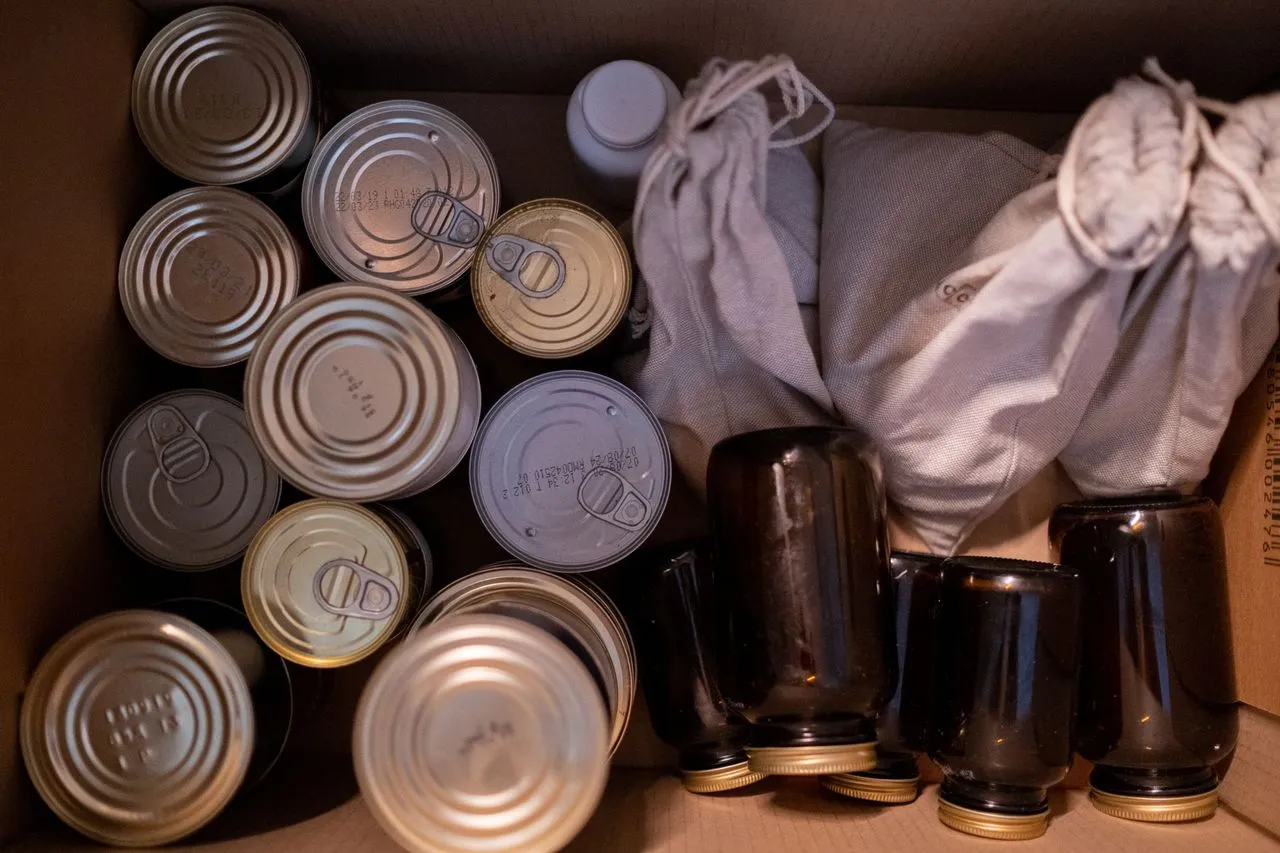
Put “ReadyWise vs Mountain House” into a search bar and you get a decade of forum arguments about which one tastes less like salty regret. What you don’t get is the question that actually decides the purchase: what job is each kit built to do?
Because these two aren’t rivals. One is a pair of buckets that stores a month of cheap calories in a closet. The other is a small box of genuinely good meals with a written 30-year taste guarantee and a price to match. Judged as competitors they both look flawed. Judged as tools, they slot into two different shelves of the same plan — and the label math below shows exactly where the line falls.
The short answer is in the verdict above. The receipts are below.
ReadyWise vs Mountain House at a glance
| Product | Score | Highlight | Price range | Buy |
|---|---|---|---|---|
| Top pick ReadyWise 30 Day Food Supply | 8.4 | 62,540 calories in 2 buckets — a real 2,000+ a day for one adult | around $200 to $230 | ReadyWise |
| Mountain House Just In Case… 3-Day Emergency Food Supply | 8.7 | 9 pouches, 18 servings, 30-year taste guarantee | around $85 to $110 | Mountain House |
I’m comparing ReadyWise’s current 30 Day Food Supply — two stackable buckets, 42 pouches, sold direct — against Mountain House’s Just In Case… 3-Day Emergency Food Supply, the nine-pouch box that shows up in every “best emergency food” roundup. Research-driven, not staged: specs verified against both manufacturers’ pages, labels read, recalls tracked, and thousands of owner reviews cross-referenced.
Calories per day: the number both boxes hope you skim
I’ve written before that “30-day” kits are where emergency food marketing goes to fudge, and the rule stands: ignore the serving count, find the total-calorie line, divide by 2,000. That’s how many person-days you actually bought.
Run the ReadyWise buckets through it and — credit where due — the current SKU passes. ReadyWise’s own product page lists 62,540 total calories, which works out to about 2,085 a day over 30 days. That’s a real month for one adult, and it makes this one of the few ready-made kits whose headline survives arithmetic. The asterisk: ReadyWise is the renamed Wise Company, and older or retailer-specific versions of this same kit still float around at roughly 1,800 calories a day. Same buckets, thinner math. Check the total-calorie line on the exact listing in your cart, not the brand’s reputation.
Mountain House, to its credit, doesn’t hide its number — the product page states about 1,706 calories per day, from nine pouches and 18 servings across three days. That’s honest and it’s also short: below the 2,000-calorie baseline before you add the stress, cleanup, and cold of an actual outage. Divide the kit’s roughly 5,100 total calories by 2,000 and you get about two and a half person-days. For a family of four, this box is dinner and breakfast, not three days.
Neither brand is lying. But only one of them is selling a base supply.
Shelf life: an “up to 25 years” rating vs a written 30-year guarantee
A spec sheet is a promise. A certification is the receipt. Shelf life is where that distinction earns its keep, because the two brands back their numbers very differently.
ReadyWise rates its pouches at “up to 25 years.” Read that phrasing the way a continuity planner does: it’s a ceiling, not a commitment. Stored cool and dry, the food will very likely be safe and edible for decades — but if pouch 31 disappoints in year 18, there’s no document that says ReadyWise owes you anything.
Mountain House’s own Taste Guarantee page makes the opposite bet: pouches and cans are guaranteed to taste good — not merely be safe — for 30 years from manufacture, a number the company set after sensory-testing product more than 30 years old. It’s a real claims process, too: photo of the package, date code, reason, and they replace the item. The conditions matter — packaging intact, stored dry and below about 75°F, so a garage in July doesn’t qualify. I broke down the fine print, storage math and all, in how long does mountain house food really last.
One is a rating. The other is a receipt. That difference is a real part of what you’re paying for.
Taste: what thousands of owner reviews keep saying
I don’t stage tasting videos, so here’s the aggregate instead — and it’s unusually consistent. Practical Self Reliance’s survival-kit tasting roundup puts Mountain House at the top of the flavor pile, and years of threads on Survivalist Boards and Rokslide repeat the pattern: Mountain House’s Beef Stroganoff and Chicken & Dumplings are the meals people say they’d eat by choice, not just in a pinch.
ReadyWise lands mid-pack in those same sources. The polite summary from one tester: fine in an emergency, but plenty of brands taste better. The menu leans on pasta, rice, and heavily seasoned sauces — filling, cheap, monotonous by day four. The Wise Company rebrand exists partly because the old name carried years of exactly this complaint.
Does taste matter in an emergency? More than the spreadsheet says. A stressed eight-year-old who refuses the tortilla soup is a logistics problem you’ll be solving at the worst possible time. That’s the honest case for keeping some Mountain House in the plan even though the per-calorie price stings.
Cost per day — and cost per 2,000 calories
Sticker prices first, in ranges: the ReadyWise two-bucket kit generally runs somewhere around $200 to $230; the Mountain House 3-day box around $85 to $110.
Now the only math that makes them comparable — cost per 2,000 calories, the price of feeding one adult for one real day:
- ReadyWise 30 Day Supply: 62,540 calories ÷ 2,000 = about 31 person-days. At $200 to $230, that’s roughly $6.50 to $7.50 per 2,000 calories.
- Mountain House 3-Day: about 5,100 calories ÷ 2,000 = about 2.6 person-days. At $85 to $110, that’s roughly $33 to $43 per 2,000 calories.
Five times the price per calorie. That’s not a rounding error; that’s two different product categories wearing the same “emergency food” costume. Stocking a month for a family of four entirely with Mountain House pouches would cost as much as a used car payment plan — which is why my best long term food storage for a family of 4 plan uses cheap bulk calories as the foundation and premium pouches as the topping.
Preparation and water: both kits are secretly water purchases
ReadyWise pouches cook like instant soup: add water — about a cup per serving — stir, cover, wait 15 minutes or so. No simmering, which spares stove fuel, but you do need a pot and something to eat from, and a 6-serving pouch is an all-at-once commitment unless you reseal and refrigerate, which an outage tends to veto.
Mountain House pouches are their own bowl: pour hot water in, zip, wait under ten minutes, eat, throw the bag away. No dishes is a bigger deal than it sounds when the tap is down. Mountain House’s own FAQ also notes cold water works in a pinch — it just takes roughly twice as long.
Neither box works without water you’ve already stored. Mountain House states its kit needs about 12 cups; ReadyWise averages a cup per serving, which across 326 servings is about 20 gallons before you’ve washed a single pot. Every food kit is a water plan wearing a different lid — if yours isn’t settled, start with best water filter for emergency preparedness before you buy a second bucket.
Two label items to read before checkout, stated plainly and without medical advice: sodium runs high in both camps — Primal Survivor’s label check clocked ReadyWise’s stroganoff at 750 mg per serving, and forum tallies of Mountain House labels routinely clear 1,000 mg (Mountain House sells a separate low-sodium line, which tells you what the company thinks of the standard numbers). And the allergen statements differ more than you’d guess: ReadyWise lists milk, soy, and wheat, while the Mountain House kit’s label adds egg, sesame, coconut, and shellfish (oyster). If anyone in your house carries an epinephrine pen, the label is the page that matters, not this one.
The case for the ReadyWise 30 Day Supply: the calorie base
Pros
- One of the few ready-made "30-day" kits whose total calories actually clear 2,000 per person per day
- Preparation is add-water-and-wait — no simmering, so it burns far less stove fuel than cook-style kits
- Two stackable buckets with handles move from shelf to car in one trip each
Cons
- Older and retailer-specific ReadyWise SKUs still sell at roughly 1,800 calories a day — check the total-calorie line before buying
- A family of four empties both buckets in about 8 days, so a real month means four purchases
- Shelf life is an "up to 25 years" rating, not a written taste guarantee like Mountain House's
This is the kit you buy so the pantry math works. Sixty-two thousand real calories, stackable buckets with handles, add-water preparation, and a per-day cost under eight dollars — nothing else in the ready-made category covers a month this cleanly. The two buckets on my ready-room shelf get a date label like everything else in the Sunday shelf-life audit, and then they get ignored, which is exactly the job description.
Know what you’re buying, though: a family of four empties both buckets in about eight days, the menu gets repetitive fast, and the 25-year figure is a rating, not a promise.
The case for the Mountain House 3-Day kit: morale in a pouch
Pros
- Backed by Mountain House's written 30-year taste guarantee — the company replaces any properly stored meal you're unhappy with
- At 3.6 lbs for three days of food, it moves from shelf to go-bag without repacking
- Pouches double as the cooking vessel — add hot water, wait about ten minutes, no dishes
Cons
- Mountain House's own math works out to about 1,706 calories a day — plan on supplementing for bigger appetites or hard physical work
- Covers one person only; a family of four needs four kits, and the per-serving price is higher than
- Every pouch depends on roughly 12 cups of water per kit that you have to store or filter separately
At 3.6 pounds for three days of food, this box moves from shelf to go-bag without repacking, cooks in its own pouch with no cleanup, and is the rare emergency food your family might actually request on a camping trip. The written 30-year taste guarantee makes it the buy-once layer of the plan — the pouches you rotate least and trust most.
It is not a base supply. The calories run short at 1,706 a day, one kit covers one person, and building bulk storage at $33-plus per 2,000 calories is how preparedness budgets die.
Who each one is for — and who should skip it
Buy the ReadyWise 30 Day Supply if you’re building the foundation: the most real calories per dollar that store themselves in a closet for decades. It’s the right first purchase for a household that currently has two weeks of pasta and optimism.
Buy the Mountain House 3-Day kit if the foundation exists and you’re layering on quality — one box per go-bag, per car, per family member. It’s also the better pick if you’ll rotate the food through camping trips, because it’s the one you’ll enjoy.
Skip ReadyWise if your version of this SKU lists fewer than 60,000 total calories — older 1,800-a-day stock is still out there — or if repetitive pasta-and-rice menus are a dealbreaker for your crew. Skip Mountain House if you’re trying to stock weeks of food on a budget, or if the shellfish and sesame lines on its allergen statement rule it out at your table.
And if you’re deciding where either fits in a full month of food for four people, the hub above walks the whole stack — buckets, pouches, and the boring pantry staples that outperform both.
Buy the cheap calories first, the good dinners second, and label everything.
Prices checked on 7/17/2026 and subject to change. Confirm the current price at the store.
Cover photo by Ron Lach via Pexels (Pexels License).Frequently asked questions
Is ReadyWise or Mountain House better for emergency food storage?
Neither wins outright because they do different jobs. ReadyWise's 30-day buckets deliver bulk calories at around $7 per 2,000-calorie day, which makes them the better base supply. Mountain House pouches taste better, carry a written 30-year taste guarantee, and suit go-bags — but cost four to five times more per calorie.
Is ReadyWise the same company as Wise Foods?
Yes. ReadyWise is the rebrand of Wise Company (Wise Food Storage), which drew years of criticism for low-calorie 'month' kits. The current 30 Day Food Supply lists 62,540 total calories — about 2,085 a day — but older and retailer-specific SKUs still circulate at roughly 1,800, so check the total-calorie line before buying.
How many calories a day does the Mountain House 3-day kit provide?
Mountain House's own product page lists about 1,706 calories per day — nine pouches, eighteen servings, spread over three days. That's below the 2,000-calorie baseline most adults need, and well below what a stressful week demands, so treat the kit as three short days or plan to supplement it with pantry staples.
Does Mountain House food really last 30 years?
Mountain House guarantees taste, not just safety, for 30 years on pouches and cans stored cool and dry — a number the company set after sensory-testing food more than 30 years old. The guarantee requires intact packaging and storage below about 75°F, and the claim process asks for a photo and date code.
Which tastes better, ReadyWise or Mountain House?
Mountain House, by a wide margin in aggregated reviews. Tasting roundups at Practical Self Reliance and years of forum threads consistently rank Mountain House among the best-tasting emergency brands, while ReadyWise lands mid-pack — edible, heavily seasoned, nobody's favorite. Taste matters more in a real emergency than people expect, especially with kids.
How much water do freeze-dried food kits need?
Plan on roughly one cup per serving. Mountain House states its 3-day kit needs about 12 cups total; ReadyWise averages a cup per serving across 326 servings — about 20 gallons to use both buckets. Your food plan is a water plan wearing a different lid, so store or filter accordingly.