Best Long Term Food Storage for a Family of 4
This article contains affiliate links: if you buy through them, we earn a small commission at no extra cost to you. It never changes our verdict — our research method is public. See how we research
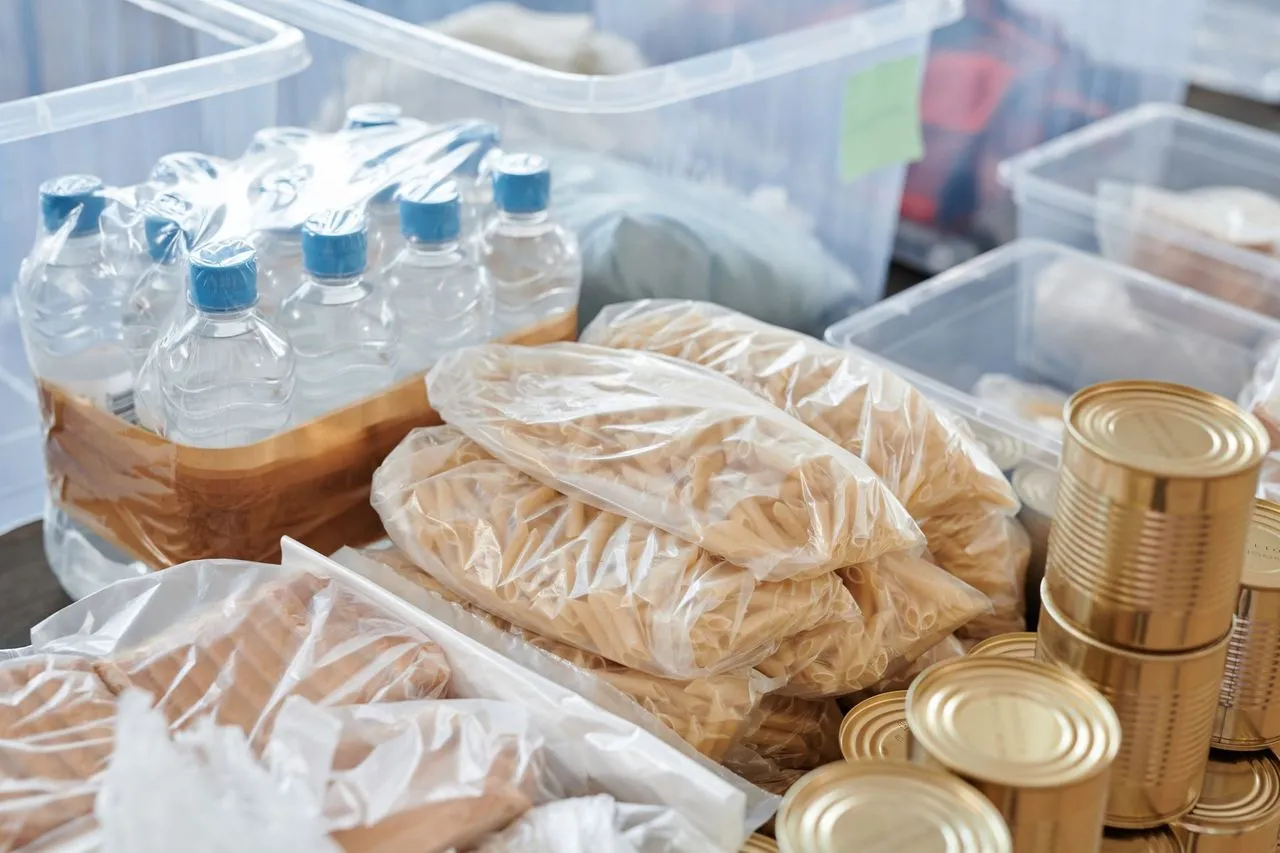
Here’s the problem with almost every “30-day emergency food supply” you can buy: it was sized for one adult, on a calorie budget you wouldn’t accept at a diet clinic. The family of four in this headline is my own house — two adults, a teenager, and a preteen in the Kansas City suburbs — so when I priced out a month of food storage, I did it the way I used to plan warehouse inventory: total calories in, divided by what four real people actually eat. The labels did not survive that arithmetic.
This guide ranks four ways to build long term food storage for a family of 4 — bulk staples you pack yourself, Mountain House freeze-dried pouches, ReadyWise buckets, and the Augason Farms pail — on real calories, cost per 2,000 calories, rated shelf life, variety, and the water each one quietly demands. If it’s the two big brands you’re torn between, I run the ReadyWise vs Mountain House matchup line by line.
Research-driven, not staged — specs verified, certifications checked, recalls tracked, thousands of real owner reviews cross-referenced.
The Math: How Much Food a Family of 4 Actually Needs
I plan on 2,000 calories per person per day. Not because every person eats exactly that — kids eat less, adults hauling storm debris eat more — but because it’s the FDA’s general nutrition-label baseline and the yardstick regulators reached for when this industry got sued over its labels. It makes every kit comparable on one line of math:
| Household | Per day | 3 days | 2 weeks | 30 days |
|---|---|---|---|---|
| One adult | 2,000 cal | 6,000 | 28,000 | 60,000 |
| Family of 4 | 8,000 cal | 24,000 | 112,000 | 240,000 |
That 240,000-calorie figure is the whole assignment. Everything below is just different ways of buying it.
The “30-Day Kit” Trap: Count Calories, Not Servings
Before the ranking, the industry’s ugliest habit. In 2017, a class action — Miller v. Wise Company — accused Wise Company (which later rebranded as ReadyWise) of selling kits whose advertised duration only worked if you ate as little as 453 calories a day on some products. The settlement, per Truth in Advertising’s case file, required the company to stop putting a number of days on a kit unless it delivered at least 2,000 calories daily or the USDA’s recommended amount.
The lesson never fully took across the industry. Augason Farms’ current 30-day pail states 1,290 calories a day right on the product page — honest disclosure, but only if you read past the giant “30-DAY” on the bucket. So here’s what the marquee kits really hold for a household of four at 2,000 calories per person:
| What the label says | Total calories | Real days for a family of 4 |
|---|---|---|
| Mountain House 3-Day Kit (1 person) | ~5,100 | not even 1 day (~0.6) |
| Augason Farms 30-Day Pail (1 person) | 38,700 | about 4.8 days |
| ReadyWise 30 Day Supply (1 person) | 62,540 | about 7.8 days |
| DIY: 100 lb rice + 50 lb beans | ~244,000 | about 30 days |
Divide total calories by 8,000. That one habit will save you more money than any coupon code in this niche.
How I Ranked These Long-Term Food Storage Options
Same scorecard for all four, weighted for a family rather than a solo hiker:
- Real calories per day. The manufacturer’s total-calorie figure divided by the days claimed — not the serving count, which is the number marketing prefers.
- Cost per 2,000 calories. The fairest price unit in food storage. It’s the metric I used for years to compare suppliers, and it embarrasses the right products.
- Rated shelf life. A written guarantee beats an “up to” rating; both beat a vibe.
- Variety and prep. Ten menu items beat three, and add-water beats simmer-for-15 when your stove is a camp burner.
- Water demand. Every dehydrated calorie is an IOU your water storage has to cover.
| Product | Score | Highlight | Price range | Buy |
|---|---|---|---|---|
| Top pick Wallaby 5-Gallon Mylar Bag Bundle (15 bags + oxygen absorbers) | 8.8 | The DIY route — turns $90 of rice and beans into a 30-year pantry | around $37 to $54 | Wallaby Goods |
| Mountain House Just In Case… 3-Day Emergency Food Supply | 8.7 | 9 pouches, 18 servings, 30-year taste guarantee | around $85 to $110 | Mountain House |
| ReadyWise 30 Day Food Supply | 8.4 | 62,540 calories in 2 buckets — a real 2,000+ a day for one adult | around $200 to $230 | ReadyWise |
| Augason Farms 30-Day 1-Person Emergency Food Supply | 7.6 | Cheapest ready-made pail — but it's 1,290 calories a day | around $130 to $185 | Augason Farms |
1. DIY Staples in Mylar — Best Cost Per Calorie, by a Mile
Nothing sold in a bucket with a mountain on the label competes with warehouse-store staples sealed in mylar. The numbers are almost unfair. A 50-pound bag of white rice runs $20 to $30 at Costco-type stores and holds about 82,800 calories (USDA figure: roughly 1,655 calories per dry pound). Pinto beans run $22 to $30 for 50 pounds — about 78,700 calories. That’s $0.55 to $0.75 per 2,000 calories for the food itself, and just over a dollar once you add packaging. The ready-made kits below charge six to forty times more per calorie.
Here’s the full 30-day build for a family of four:
- 2 × 50 lb white rice (~165,600 cal) — around $45 to $60
- 1 × 50 lb pinto beans (~78,700 cal) — around $22 to $30
- 4 to 5 mylar bags with oxygen absorbers — a 15-bag Wallaby bundle covers this project three times over, around $37 to $54
- 4 to 5 food-grade buckets to keep rodents off the mylar — around $20 to $40
Total: roughly $125 to $185 for 244,000 calories — a genuine month for four people, at the price of a single one-person Augason pail. Sealed at 5 mil per side with 2500cc oxygen absorbers, low-moisture staples like these are rated for 25 to 30 years, and that claim has independent backup: Brigham Young University’s food-science storage studies found properly packed rice and beans still acceptable to consumer taste panels after decades. The honest caveats — old beans gradually take longer to cook soft, oily grains like brown rice go rancid in a year or two, and every meal here requires water, fuel, and someone willing to cook. Add a bag of salt, sugar, and bouillon; morale is a nutrient too.
Pros
- One bundle seals 500+ lb of staples — enough packaging for a year-scale family pantry in a single purchase
- Oxygen absorbers come individually vacuum-sealed, so unused ones keep their potency between packing sessions
- Zipper plus heat-seal closure means you can open a bag, take a scoop, and reseal without losing the bag
Cons
- It's packaging, not food — you still source, pack, and label the staples yourself
- Only worth it for low-moisture foods; oily grains like brown rice or quinoa last just 1 to 2 years even sealed
- Everything you store this way needs cooking water and stove fuel on the day you use it
2. Mountain House — Best No-Cook Layer for the Worst Days
If DIY staples are the foundation, Mountain House is the roof: the meals you reach for when the power’s out, the kids are rattled, and nobody is soaking beans. The Just In Case 3-Day kit holds nine two-serving freeze-dried pouches — beef stroganoff, chicken and dumplings, granola with blueberries — that need only hot water and ten minutes, in a 3.6-pound package that moves from shelf to go-bag without repacking. And Mountain House backs it with the only written 30-year taste guarantee in the business; I pulled that promise apart clause by clause in my Mountain House shelf-life guide.
Now the family-of-four math, because it’s brutal. One kit is 3 days for one person at about 1,706 calories a day — roughly 5,100 calories total, which four people burn through before dinner on day one. At $85 to $110 per kit, you’re paying $33 to $43 per 2,000 calories. As your entire month of storage, that’s a four-thousand-dollar mistake. As a two-or-three-kit comfort layer on top of cheap staples, it’s the best money in this article.
Pros
- Backed by Mountain House's written 30-year taste guarantee — the company replaces any properly stored meal you're unhappy with
- At 3.6 lbs for three days of food, it moves from shelf to go-bag without repacking
- Pouches double as the cooking vessel — add hot water, wait about ten minutes, no dishes
Cons
- Mountain House's own math works out to about 1,706 calories a day — plan on supplementing for bigger appetites or hard physical work
- Covers one person only; a family of four needs four kits, and the per-serving price is higher than
- Every pouch depends on roughly 12 cups of water per kit that you have to store or filter separately
3. ReadyWise 30 Day Food Supply — Best Ready-Made Bucket
Credit where it’s due: the company that inherited the industry’s worst calorie lawsuit now sells the most honestly sized bucket in it. ReadyWise’s current 30 Day Food Supply packs 62,540 total calories into 42 pouches across two stackable buckets — about 2,085 a day for one adult, one of the few ready-made kits that clears the 2,000-calorie bar the Wise settlement drew. Preparation is add water, stir, and wait about fifteen minutes, which matters more than it sounds when your fuel is a 1-pound propane canister instead of a kitchen range.
The trade-offs. For a family of four, the pair of buckets is about 7.8 days, so an honest month means four purchases — around $800 to $900 — at roughly $6.50 to $7.50 per 2,000 calories. The menu leans on pasta, cereal, and drink mixes (milk, soy, and wheat allergens throughout), and the 25-year figure is an “up to” rating, not a written guarantee. One more thing my review sweep turned up: older ReadyWise SKUs at about 1,800 calories a day are still floating around retailers. Check the total-calorie line, not the brand.
Pros
- One of the few ready-made "30-day" kits whose total calories actually clear 2,000 per person per day
- Preparation is add-water-and-wait — no simmering, so it burns far less stove fuel than cook-style kits
- Two stackable buckets with handles move from shelf to car in one trip each
Cons
- Older and retailer-specific ReadyWise SKUs still sell at roughly 1,800 calories a day — check the total-calorie line before buying
- A family of four empties both buckets in about 8 days, so a real month means four purchases
- Shelf life is an "up to 25 years" rating, not a written taste guarantee like Mountain House's
4. Augason Farms 30-Day Pail — Decent Food, Misleading Headline
The Augason Farms pail is a fine product wearing a label I can’t defend. Inside the watertight bucket: 23 pouches, 194 servings, ten menu varieties including real breakfasts and a whey milk drink, rated up to 25 years, usually $130 to $185. Per calorie it’s competitive — about $7 to $9.50 per 2,000, near ReadyWise’s price and a bargain at sale prices.
But the “30-Day” on the lid assumes 1,290 calories and 36 grams of protein a day. To the company’s credit, that figure is printed on the product page; to the shopper’s peril, the bucket does the shouting. For a family of four at a 2,000-calorie baseline, one pail is about 4.8 days of food. And unlike ReadyWise’s stir-and-wait pouches, most Augason meals want 12 to 15 minutes of actual simmering — that’s stove fuel your plan has to buy separately. Buy it knowingly as a five-day family module at a good price and it earns its shelf space. Buy it as a month and you’ve bought a fifth of what you think.
Pros
- Lowest ready-made price per calorie in its class — roughly a third of what freeze-dried pouches cost per 2,000 calories
- Single stackable, watertight pail with a 25-year rating stores neatly on one shelf
- Real breakfasts, entrées, and a milk drink — more variety than a straight staples bucket
Cons
- The "30-day" label assumes 1,290 calories a day — at a 2,000-calorie planning baseline, one pail feeds a family of four for under 5 days
- Most meals need 12 to 15 minutes of actual cooking, which means stove fuel you have to store separately
- 36 g of protein per day is thin, and the menu leans heavily on rice and creamy starches
Water: The Line Item Every Food Kit Leaves Off
Every option on this page is dehydrated, which means every calorie arrives holding an IOU. ReadyWise estimates about a cup of water per serving — call it 22 gallons to cook through both buckets. Mountain House’s 3-day kit wants roughly 12 cups. Rice absorbs about two cups of water per cup of dry rice, and beans drink even more across soaking and simmering. All of that is on top of drinking water, where federal preparedness guidance starts at one gallon per person per day — four gallons daily for this household.
Storing a month of that is 120-plus gallons, which is why my food plan leans on filtration instead of stacked jugs. If you haven’t sized that side yet, my AquaTru vs Berkey comparison covers which purifier actually has the certifications to back its claims. Food storage without a water plan is half a plan.
Who Each Option Is For — and Who Should Skip It
Build the DIY mylar pantry if you want the most food security per dollar and can spend one Saturday sealing bags. This is the backbone I’d give every family of four; nothing else comes within a multiple of its cost per calorie.
Add Mountain House if you want the first three or four days handled with zero cooking and a written 30-year guarantee — the layer for when the situation is new and everyone’s tired. Skip it as your bulk calories; the math never works.
Buy ReadyWise if a done-for-you bucket is the only way this gets done in your house. Honest calories, minimal fuel, one purchase per week of family coverage. Skip it if anyone at your table can’t do wheat, soy, or milk — read the allergen list first.
Buy the Augason pail if you catch it on sale and log it in your plan as five family days, not thirty. Skip it if you won’t store the stove fuel its recipes assume.
And if you’re starting from a bare closet, begin smaller than any of this: my apartment preparedness checklist builds the first 72 hours before you worry about month two. Preparedness is insurance, not fear — buy the coverage in layers, and check the calorie line before you check out.
Prices checked on 7/3/2026 and subject to change. Confirm the current price at the store.
Frequently asked questions
How much food storage do I need for a family of 4?
Plan around 8,000 calories per day — 2,000 per person, the FDA's general nutrition-label baseline. That's 240,000 calories for 30 days, which works out to roughly 150 pounds of dry staples like rice and beans, or about four ready-made kits that each genuinely contain 60,000-plus calories.
Is it cheaper to buy or build long term food storage?
Building is dramatically cheaper. Bulk white rice and pinto beans run about $0.55 to $0.75 per 2,000 calories — just over a dollar with mylar bags and buckets included. Ready-made kits run roughly $6.50 to $9.50 for the same calories, and freeze-dried pouches can pass $30. You trade money for convenience.
Do 30-day emergency food kits really last 30 days?
Only if you eat what the label assumes. Augason Farms' 30-day pail is sized at 1,290 calories a day, and the class action against Wise Company found some kits averaged as low as 453. Divide total calories by 2,000 per person to get the honest number of days.
How many days will a 30-day kit feed a family of 4?
Divide by four, then check calories. Augason Farms' pail (38,700 total calories) lasts a family of four about 4.8 days at 2,000 calories per person. ReadyWise's two-bucket supply (62,540 calories) lasts about 7.8 days. No single '30-day' kit on the market feeds four people for a month.
How much water do you need to prepare emergency food storage?
ReadyWise estimates about one cup per serving, Mountain House's 3-day kit needs roughly 12 cups, and dry rice absorbs about two cups of water per cup of rice. That's on top of drinking water — federal preparedness guidance is one gallon per person per day, so a family of four should plan at least four gallons daily.
How long does DIY rice and beans in mylar last?
Sealed in mylar with oxygen absorbers and kept cool, white rice and dry beans stay usable for 25 to 30 years — Brigham Young University's storage studies found decades-old samples still acceptable to taste panels. Old beans slowly get harder to cook soft. Oily grains like brown rice last only one to two years.