Augason Farms vs Mountain House: The Honest Math
This article contains affiliate links: if you buy through them, we earn a small commission at no extra cost to you. It never changes our verdict — our research method is public. See how we research
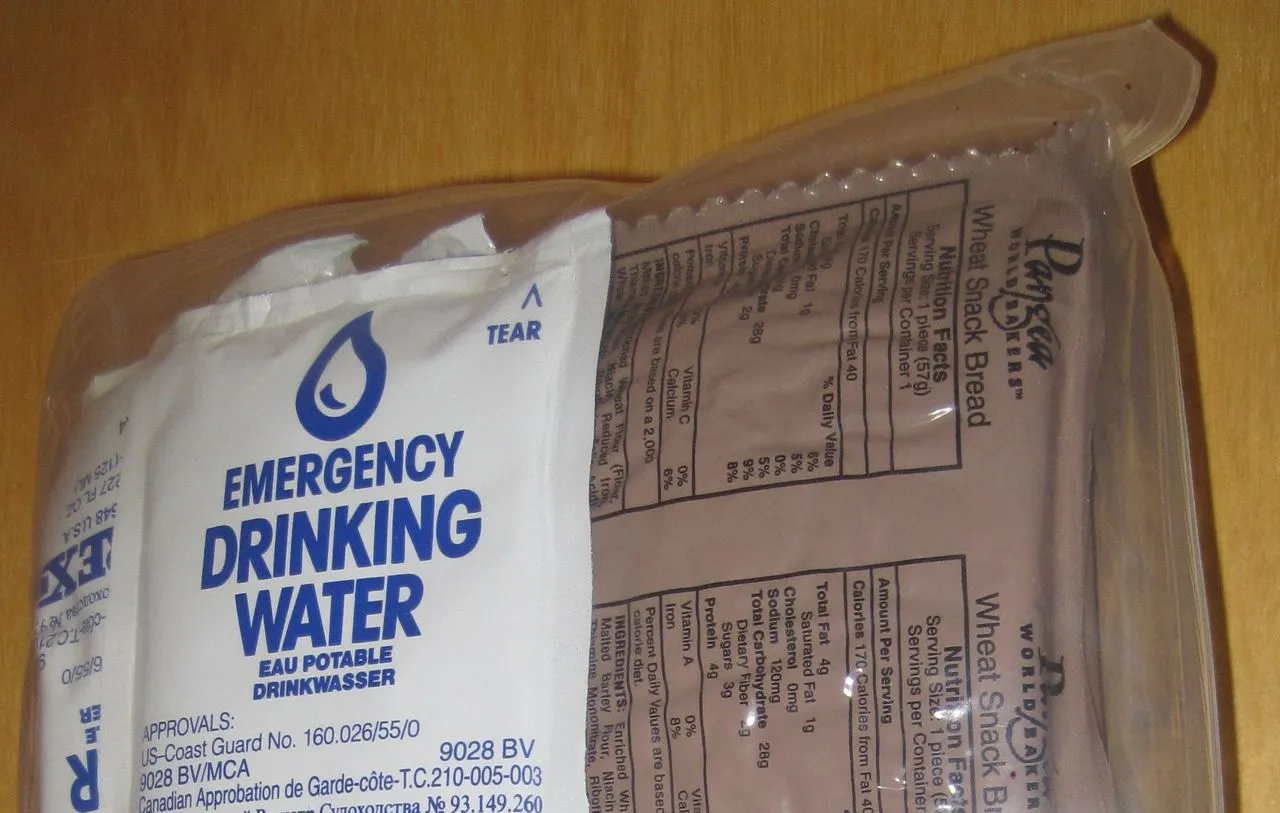
“Augason Farms vs Mountain House” turns up a decade of forum arguments about which one tastes worse, which misses the only question that actually decides the purchase: are you buying a month of calories or three days of good dinners? They’re not really competing for the same shelf.
One is a watertight pail built to be the cheapest real calories you can store. The other is a small box of better-reviewed pouches that costs four times as much per calorie and earns every penny of it in a go-bag. Judge them against each other and they both look like a bad deal half the time. Judge them by job and the math gets simple — it’s below.
Augason Farms vs Mountain House at a glance
| Product | Score | Highlight | Price range | Buy |
|---|---|---|---|---|
| Top pick Augason Farms 30-Day 1-Person Emergency Food Supply | 7.6 | Cheapest ready-made pail — but it's 1,290 calories a day | around $130 to $185 | Augason Farms |
| Mountain House Just In Case… 3-Day Emergency Food Supply | 8.7 | 9 pouches, 18 servings, 30-year taste guarantee | around $85 to $110 | Mountain House |
I’m comparing Augason Farms’ 30-Day 1-Person Emergency Food Supply — the 194-serving pail that shows up in nearly every bulk-storage roundup — against Mountain House’s Just In Case… 3-Day Emergency Food Supply, the nine-pouch box that anchors most go-bag lists. Research-driven, not staged: specs verified against both manufacturers’ pages, labels read, and independent taste scores cross-referenced.
Calories per day: the number the “30-Day” label doesn’t survive
Preparedness is insurance, not fear — but insurance only works if you read what it actually covers. “Divide total calories by 2,000, ignore the serving count” is the rule I keep repeating on this site, and the Augason Farms pail is the clearest example yet of why it matters.
Augason Farms’ own product page lists the 194-serving kit at 38,700 total calories, which the company itself states works out to 1,290 calories a day for one person over 30 days. Run that through the 2,000-calorie baseline and the pail actually covers about 19 real person-days, not 30. The company isn’t hiding the number — it’s printed on the listing — but the name on the lid does all the talking, and the name is wrong by more than a third.
Mountain House doesn’t dodge its number either: the 3-Day kit states about 1,706 calories a day across nine pouches and three days, which is honest but still short of 2,000. I broke the fine print down in how long does Mountain House food really last, including the storage conditions behind the company’s taste guarantee.
Neither brand is lying about what’s inside. One of them is just selling you a much bigger gap between the label and the dinner table.
Packaging: pouches in a pail, not #10 cans
A detail that trips up a lot of shoppers: this particular Augason Farms kit isn’t the stack of #10 cans people picture when they hear the brand name. It’s 23 foil pouches — ten menu varieties, including oatmeal, pancake mix, rice and pasta entrées, a vegetable stew, and a whey milk drink — sealed together inside one watertight plastic pail. Augason does sell standalone #10 cans elsewhere in its catalog, but the 30-Day pail reviewed here is pouch-based, which matters once you open it: a #10 can seals an entire course behind a metal lid you can reclose, while an opened foil pouch wants to be used in that sitting or transferred to something airtight.
The prep gap matters more than the packaging, though. Most Augason entrées want 12 to 15 minutes of actual simmering on a stove — real cooking, which means real stove fuel you have to plan and store separately. Mountain House pouches skip that step entirely: pour in hot water, zip, wait under ten minutes, eat out of the bag, throw it away. No pot, no dishes, no fuel budget. That convenience is a large part of what the price difference below is actually buying.
Shelf life: a rating vs a written guarantee
A spec sheet is a promise. A certification is the receipt. Augason Farms rates this pail at up to 25 years, sealed and stored cool — a ceiling the company sets, not a document that obligates it to anything if a pouch disappoints in year 20. Mountain House takes the opposite approach with its written 30-year taste guarantee: intact packaging, stored dry and below roughly 75°F, and the company replaces a pouch that fails on taste, not just safety, with a photo and a date code. I rotate both the same way on the Sunday shelf-life audit — dated going in, checked coming out — but only one of these two numbers is backed by a claims process.
Taste: what the scored comparisons actually say
I don’t stage tasting panels, so here’s the aggregate from people who do. TruePrepper’s emergency food supplier comparison scores Mountain House 90 out of 100 overall, calling out its macros, taste, and quality, while Augason Farms lands at 70 — still praised as “unbeatable value,” just not the flavor leader. The gap shows up in price too: TruePrepper notes Mountain House “costs a pretty penny” against Augason’s budget positioning.
The Survival Mom’s food storage comparison tells a messier story on both sides. Her Mountain House beef stew was “barely edible” in her own kitchen test, even though she calls the brand generally consistent. Augason Farms she rates as genuinely unpredictable — “some products are perfectly fine, others are a hard pass” — and her bottom line is blunt: buy small before you buy a pail.
Translate both reviews the same way: taste test specific Augason menu items in small bags before committing to a pail, and don’t assume every Mountain House pouch lands — rotate a few into a camping trip before you stake a go-bag on the flavor.
Cost per day — and cost per 2,000 calories
Sticker prices, in ranges: the Augason Farms pail generally runs $130 to $185; the Mountain House 3-Day box runs $85 to $110.
The only number that makes them comparable is cost per 2,000 calories — the price of feeding one adult for one real day:
- Augason Farms 30-Day Pail: 38,700 calories ÷ 2,000 ≈ 19.4 person-days. At $130 to $185, that’s roughly $7 to $9.50 per 2,000 calories.
- Mountain House 3-Day: about 5,118 calories ÷ 2,000 ≈ 2.6 person-days. At $85 to $110, that’s roughly $33 to $43 per 2,000 calories.
Mountain House runs four to five times the price per calorie. That gap buys real things — better aggregate taste scores, no cooking, no dishes — but it also means stocking a real month of calories entirely in Mountain House pouches would price out most households fast. My best long term food storage for a family of 4 plan treats cheap bulk calories as the foundation and premium pouches as the topping, not the other way around.
Protein and the fine print
The Augason pail’s own label states 36 grams of protein a day — thin against the 50-gram daily value the FDA uses as its general reference on nutrition panels. That’s not a medical recommendation, just the same yardstick printed on the pail itself, and it’s one more reason to treat this kit as a calorie base you supplement, not a complete diet. Mountain House doesn’t publish a clean per-kit protein total across its three days, so I’m not going to manufacture one — check the label on the specific pouches in your kit if protein matters for your household.
The case for the Augason Farms 30-Day pail: the budget foundation
Pros
- Lowest ready-made price per calorie in its class — roughly a third of what freeze-dried pouches cost per 2,000 calories
- Single stackable, watertight pail with a 25-year rating stores neatly on one shelf
- Real breakfasts, entrées, and a milk drink — more variety than a straight staples bucket
Cons
- The "30-day" label assumes 1,290 calories a day — at a 2,000-calorie planning baseline, one pail feeds a family of four for under 5 days
- Most meals need 12 to 15 minutes of actual cooking, which means stove fuel you have to store separately
- 36 g of protein per day is thin, and the menu leans heavily on rice and creamy starches
This is the kit that wins on raw math: the lowest cost per 2,000 calories of the two, a single stackable pail instead of loose cans, and real breakfasts and a milk drink instead of straight staples. Buy it knowing exactly what it is — a five-day module for a family of four at a very good price, not a month, and budget stove fuel alongside it.
The case for the Mountain House 3-Day kit: the one you’ll actually enjoy
Pros
- Backed by Mountain House's written 30-year taste guarantee — the company replaces any properly stored meal you're unhappy with
- At 3.6 lbs for three days of food, it moves from shelf to go-bag without repacking
- Pouches double as the cooking vessel — add hot water, wait about ten minutes, no dishes
Cons
- Mountain House's own math works out to about 1,706 calories a day — plan on supplementing for bigger appetites or hard physical work
- Covers one person only; a family of four needs four kits, and the per-serving price is higher than
- Every pouch depends on roughly 12 cups of water per kit that you have to store or filter separately
At 3.6 pounds for three days of food, this box moves from shelf to go-bag without repacking, needs no stove fuel, and is the rare emergency food that scores well with reviewers instead of just surviving them. The written 30-year taste guarantee makes it the layer of the plan you trust most and rotate least.
It is not a base supply. The calories run short at 1,706 a day, one kit covers one person, and building bulk storage at $33-plus per 2,000 calories is how preparedness budgets die.
Who each one is for — and who should skip it
Buy the Augason Farms pail if you’re stocking real calories on a budget and you’ve already taste-tested the menu — it’s the cheapest per-calorie ready-made option on this site, and the pail format stores cleanly on one shelf.
Buy the Mountain House kit if the budget foundation already exists and you’re layering on quality — one box per go-bag, per car, per family member — or if you want food your family will actually request on a camping trip.
Skip Augason if you can’t store stove fuel for the cook time, or if your household has already decided the taste isn’t worth it. Skip Mountain House as a base supply if you’re trying to stock weeks of food — the per-calorie price adds up fast, and it isn’t built for that job.
And if you’re deciding how either fits into a full month of food for four people, the hub above runs the complete stack, staples included.
Buy the cheap calories first, the good dinners second, and label everything.
Prices checked on 11/4/2026 and subject to change. Confirm the current price at the store.
Cover photo by BrokenSphere via Wikimedia Commons (CC BY-SA 3.0).
Frequently asked questions
Is Augason Farms or Mountain House better for emergency food storage?
Neither wins outright — they're built for different jobs. The Augason Farms 30-Day pail delivers about 19 real person-days of food at roughly $7 to $9.50 per 2,000 calories, the cheaper base supply. Mountain House's 3-Day kit scores far higher on taste (90 vs 70 out of 100 at TruePrepper) but costs about four times more per calorie.
Does the Augason Farms 30-Day kit really feed someone for 30 days?
No. Augason Farms' own product page lists 1,290 calories and 36 grams of protein a day — well under the 2,000-calorie baseline most adults plan around. Divide the pail's 38,700 total calories by 2,000 and you get about 19 real person-days, not 30. The company prints the honest number; the '30-Day' name just doesn't match it.
Is Augason Farms packaged in #10 cans like other emergency food?
Not this kit. The Augason Farms 30-Day 1-Person Emergency Food Supply ships as 23 foil pouches sealed inside one watertight plastic pail, not individual #10 cans. Augason does sell #10 cans elsewhere in its catalog, but the pail reviewed here is pouch-based, which changes how you ration and reseal it once it's opened.
Which tastes better, Augason Farms or Mountain House?
Mountain House, by a wide margin in independent scoring. TruePrepper rates Mountain House 90 out of 100 for taste and quality versus Augason Farms' 70, and The Survival Mom calls Augason's quality 'unpredictable' — some products fine, others a hard pass. Taste-test Augason in small bags before buying pails in bulk.
Does Augason Farms require real cooking, or just hot water like Mountain House?
Augason Farms' entrées mostly need 12 to 15 minutes of actual simmering on a stove, which means storing fuel separately. Mountain House pouches just need hot water poured in and about ten minutes of waiting — no pot, no dishes. That prep gap is a real reason Mountain House costs more per calorie.